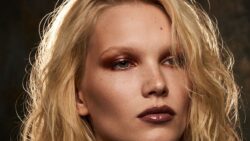
The length isn’t the first thing you notice. It’s the lightness. When the stylist lifts the last section of your hair and the cut falls into place, your neck suddenly feels bare, your jawline looks sharper, and you can almost hear the sigh of relief from every limp strand that was pretending to be thicker than it is. If you have fine hair you know how it feels to want movement but need volume at the same time. And somewhere between those two is the magic of the right short haircut.
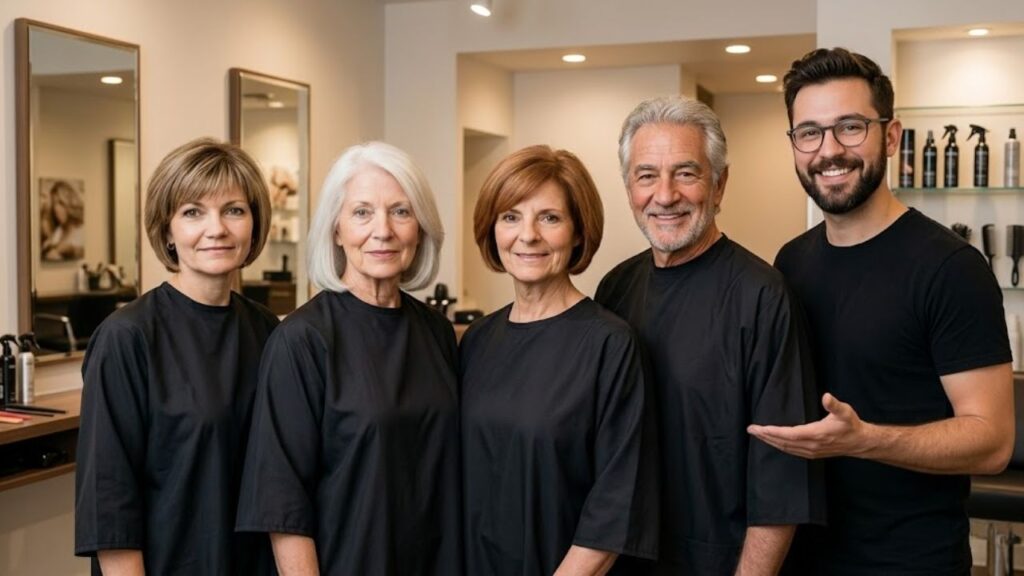
Why a good short cut is great for fine hair
Fine hair is like silk thread soft, shiny, and sometimes too honest. It doesn’t do a good job of hiding grease. It doesn’t keep a curl for very long. If it’s too long, it falls apart under its own weight, and if the layers are cut wrong, it separates into stringy pieces. But when you style it on purpose, especially with a shorter cut, it can look impossibly chic full, and easy.
You should be able to feel the texture of your hair when you run your fingers through it, not tangles. Imagine looking in the mirror and seeing lift at the roots of your hair instead of hair that is close to your scalp. That’s the secret superpower of a short cut on fine hair: it gets rid of the length that makes everything look flat and replaces it with structure shape and illusion. The key is to pick the right shape for your face, lifestyle, and hair type.

We’re going to show you four of the best short hairstyles for fine hair. These cuts not only make your hair shorter, but they also make it look thicker fuller and styled on purpose, even on days when you didn’t spend 40 minutes on it. You will notice a difference in the shower, when it dries, and when you walk. And if you listen closely, you might also hear the quiet voice of confidence that comes when your hair finally feels like it’s working with you instead of against you.
The Volumised French Bob: Light, blunt, and surprisingly easy to care for
The French bob is the kind of haircut that looks like it would be in a black and white movie, where someone is smoking at a café table in Paris. But it’s also one of the best ways to add volume to fine hair right away. This bob is usually cut between the middle of the neck and the jawline, with a blunt edge and soft, hidden layers that let the hair move.
The blunt ends make fine hair look thicker, which is what makes this a game changer for fine hair. The line at the bottom looks strong and planned, not like a wispy, feathery finish that can make fine hair look sparse. It looks like there is suddenly more hair on your head. Add a slight under-bevel, which is a small inward curve made by the way the stylist tilts the scissors. This will make your hair naturally tuck in around your jaw, which will make it look fuller around your face.
The real joy is how it feels to live with. Imagine this: you get out of the shower, dry off with a towel, and then put a light volumising mousse at the roots. You use your fingers instead of a brush to blow-dry your hair while your head is slightly tilted back. As it dries, the bob gets this light slightly undone, slightly lived-in body, like you just woke up in a beautiful old flat with high ceilings and a balcony. It doesn’t stick to your head; it floats, light and soft, with a gentle volume at the roots.
A soft, eyebrow-grazing bang can make the whole mood more French and romantic if you love fringe. If your hair is fine, it’s best to cut the fringe a little heavier in the middle and a little softer at the sides so it blends in and doesn’t break up into small, see-through pieces. The overall effect is that the front of the face looks fuller, which is where fine hair often feels most exposed.
How to Style a French Bob That Looks Full
Instead of “weight,” think “support” when it comes to volume. A lightweight root spray, a golf-ball-sized amount of mousse, or a texturising foam will give your hair structure without making it look heavy. Change your part a few times while you blow-dry. This keeps the roots from getting flat in one direction and adds that beautiful flexible volume.
If you don’t want to style your hair with heat, the French bob is forgiving. Just scrunch in some styling cream, let it air-dry, and let it bend naturally. Fine hair gets oily faster, so on day two, a spritz of dry shampoo at the roots not only soaks up oil but also adds a little grit that keeps things up.
The Textured Pixie: Short Hair, Big Personality
Getting a pixie cut when you have fine hair feels almost like breaking the rules. People will tell you that you “need” length for volume, but the textured pixie says no. You don’t hide behind your hair; instead, you step into it, with your face fully framed, features defined and neck and jaw exposed. This haircut says, “Yes, I meant to do this.”
Short, choppy layers and soft edges are what make a textured pixie. The hair is cut short at the nape and sides, but it is longer on top so it can be pushed forward, swept to the side, or even messed up for a slightly messy bedhead look. This difference in length is what gives your hair height and volume. It can’t lie flat anymore.
Picture waking up in the morning, running your hands through your hair, and feeling that little bit of texture on top. You rub a pea-sized amount of matte paste or styling cream into your hair, lifting it at the front and using your fingertips to move pieces into place. It looks like it was meant to be that way, a little messy but very alive, two minutes later. Fine hair that used to lie flat now stands up and gets involved.
The strands don’t pull each other down because they’re shorter. They don’t stack on top of each other; instead, they layer on top of each other, giving them an almost feathery fullness. The different layers of your hair catch the light, making it look thicker. And what if cowlicks bother you most of the time? In a pixie, they become a part of the style, giving it more lift and personality that you can embrace instead of fight.
Having Fine Hair and Living with a Pixie
You will probably have to go to the salon every four to six weeks to keep your pixie’s shape. But the trade-off is that it’s easy to style every day. You only need to shampoo, blow-dry or air-dry your hair, and put on a little product. No curling irons, round brushes, or 20 minute sessions to lift your roots.
You might also notice that your whole relationship with accessories changes. A pixie’s openness goes well with bigger earrings a stronger brow, and even bolder lipstick. The haircut frames not only your hair but also your face. This can be very freeing for someone who has been trying to hide fine hair behind longer layers for years.
The Layered Shaggy Crop: A Messy Style That Gives You the Most Volume
The modern shaggy crop might be the way to get thicker-looking hair if you’ve ever wanted those messy, tousled I didn’t try but I definitely did styles. It’s like a love letter to texture: short to medium-length hair with lots of soft choppy layers and movement all over. This cut adds volume all over the shape, not just at the crown.
The trick for fine hair is how carefully you put those layers on. If you have too many, your hair can look thin and flyaway. You lose the shaggy spirit if you don’t have enough. A good stylist will cut internal layers which are subtle layers hidden within the shape, to give your hair lift without losing the feeling of density at the ends. The end result is a kind of controlled chaos: pieces that flick out at the sides, fringe that sweeps across your forehead, and texture that seems to come alive the more you touch it.
Think about how it feels on a breezy day with those light strands moving around your face and brushing your cheekbones. They fall back into place without looking too ‘done’. You can tuck one side behind your ear, and the cut will suddenly change shape, showing your jawline on one side and a soft curtain of layers on the other.
How to Style a Shaggy Crop Without Losing Your Body
Be gentle on wash day. Your roots will stay clean and lifted if you use a volumising shampoo and a light conditioner only on the middle and ends of your hair. Put on a light texturising spray or sea-salt mist when your hair is still damp, and then scrunch it lightly with your hands. If your hair can handle it, let it air-dry or blow-dry it with a diffuser.

The shaggy crop is great for fine hair because it doesn’t mind flaws. A little bend? Accept it. Ends that flip in different ways? That’s the point. A dry texturising spray at the roots and through the lengths will give your hair that airy fullness back, even on day two or three. The cut looks better when you move it around; the more you mess it up, the thicker it looks.
The Stacked Graduated Bob: Volume Without the Round Brush Workout
The way a stacked bob is built is very satisfying. It’s like doing some structural engineering on the back of your head: the layers get shorter at the nape and longer as they go toward the crown and front. This stacking trick makes fine hair look fuller right away.
A well-cut stacked bob makes your hair look soft and full from the side by making a gentle rounded curve. Those graduated layers add volume to your hair from the back, so it doesn’t lie flat against your head even if it’s naturally straight and fine. It looks like you have more strands than you really do.
You can feel the small “bump” of structure when you run your hand up the back of your head. It’s not teased or over-styled; it’s just how the hair is cut. Fine hair that can easily become stringy when it’s all the same length acts differently when the weight is moved around like this.
Daily Styling for Easy Lift
A round brush can help with a stacked bob, but you don’t have to fight with it every day. Using a small to medium brush to blow-dry the back, lifting at the roots and smoothing the ends under, makes the cut’s natural curve look better. A light volumising spray or foam at the roots will help keep that shape all day.
This cut also changes in a good way. It can become a more classic bob as it grows out, but it won’t lose all of its volume. The stacked bob strikes the right balance between looking polished and not stiff. It’s structured but soft, voluminous but not fussy, tailored but still touchable.
Picking the Right Cut for Your Fine Hair
The French bob, textured pixie, shaggy crop, and stacked bob all have one thing in common: they use shape to add volume instead of heavy products or too much heat. But how do you pick the one that works best for you and your face?
It’s like picking a path through a forest: the end goal (fuller-looking hair) may be the same, but the path you take depends on who you are. Do you like a silhouette that is sharp and well-defined? You might like the French bob or the stacked bob. Do you want something more free and undone? The shaggy crop may be calling your name. Want a bold, simple cut that only takes a few minutes to style? The textured pixie is on your side.
The shape of your face matters, but it’s not a hard and fast rule. A pixie cut or a French bob can make round faces look amazing. A shaggy crop or bob that doesn’t fall too far past the chin can help balance out longer faces. The most important questions are: How much time do you really want to spend on styling? How fast does your fine hair get greasy? How often are you willing to go to the salon for upkeep?
This is a simple comparison to help you see which cut fits your daily routine:
| Hairstyle | Best For | Time to Style | Volume Level |
|---|---|---|---|
| French Bob with Volume | A polished, modern look with airy movement. | Low | Low to moderate fullness. |
| Textured Pixie | A bold, low-maintenance style for people who like it. | Very low | At the crown and top. |
| Layered Shaggy Crop | Casual, messy, “lived-in” texture | Low to moderate | All-over textured volume |
| Stacked Graduated Bob | A structured, stylish shape with a full back. | Moderate | At the back and crown. |
No matter what style you like, the best thing you can do is talk to your stylist about it. Bring pictures, yes, but also be honest. If your hair gets oily in a day, let them know. Let them know if you hardly ever use a blow dryer. Let them know if you hate having hair on your neck or love being able to tuck it behind your ears. They’ll be able to see your hair from angles that you can’t, and they’ll know how much bulk they can take away without losing that important illusion of thickness.
Questions and Answers: Short Haircuts for Fine, Thin Hair
Will cutting my fine hair short actually make it look thicker?
Yes, if it is cut well. Shorter lengths take away the weight that pulls fine hair flat and lets it stand away from the scalp. Smart layering, blunt edges and shapes like bobs, pixies, and shaggy crops all make hair look thicker and fuller.
If my fine hair gets oily quickly, which short haircut is best?
A textured pixie or a French bob that ends just above the jawline usually looks best. They don’t get as heavy with oils because they’re short, and it’s easy to refresh them with dry shampoo at the roots. If you need to wash your hair more often, it will be faster and easier.
Can I still have layers in my fine hair?
Yes, but they need to be done carefully. For fine hair, small internal layers add movement and volume without making the ends look thin or see-through. Don’t do too much chopping or extreme layering that takes away too much bulk from the bottom.
How often should I cut my fine hair short?
Most short cuts look best when they are trimmed every 4 to 8 weeks, depending on the style. Bobs and shaggy crops can last longer without losing their shape, but pixies need more frequent care about every 4 to 6 weeks.
What hair products work best to make short, fine hair look fuller?
The word “lightweight” is important. You should use root lifting sprays, volumising mousse, texturising sprays, and light, matte pastes or creams. Don’t use thick waxes, rich serums or heavy oils on the roots; they can quickly ruin the volume you’ve worked so hard to get.
Will a fringe look good with my fine hair, or will it be too thin?
If you cut a fringe a little heavier and blend it well with the rest of your hair, it can look great on fine hair. Ultra thin wispy fringe can separate easily and make hair look finer, so curtain fringe or a soft side swept fringe are often better.

What should I say to my stylist if I want more volume in my short hair?
Use language that is easy to understand. Say, “My hair is fine and flat.” “I want a short cut that makes it look thicker, with volume at the roots but not a lot of daily styling.” Bring a few pictures that show the length and fullness you like, and be honest about how much styling you can realistically do. A good stylist will turn that into the right cut for your hair and way of life.
 30 Dark Short Manicure Ideas Offering Elegant Minimal Nail Styles Perfect for Every Season