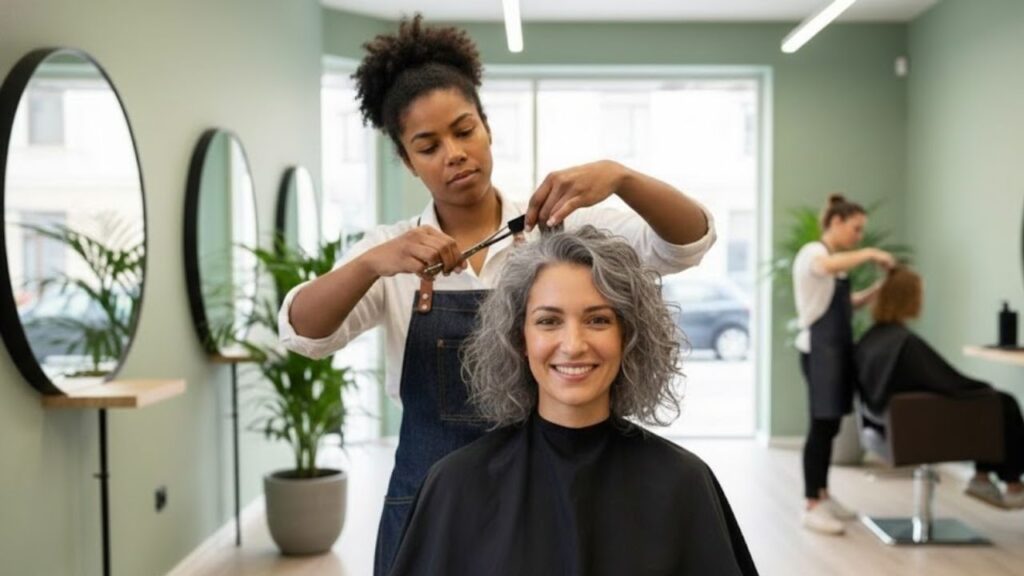
Gray hairs present a choice: embrace them or find a natural way to cover them. People are increasingly looking for gentler alternatives to strong chemical dyes. They want a way to reduce gray hair without harsh chemicals, making the shift toward more natural methods in hair coloring increasingly popular worldwide. This shift mirrors a broader change in how we approach aging and beauty. Many are turning away from traditional hair dyes that damage hair over time. Harsh chemicals like ammonia can strip hair of moisture, leaving it dry and brittle after frequent use. The new focus is on gradually blending away gray while keeping hair healthy, respecting its natural texture.
Understanding Gray Hair and Its Impact on Your Appearance
Hair doesn’t just turn gray suddenly. Each hair grows from a follicle, where pigment-producing cells, called melanocytes, deposit color into the hair shaft during growth. This pigment, primarily melanin, determines your natural hair color. As we age, genetic factors, stress, lifestyle, and other factors can slow or stop melanin production, resulting in gray or white hair. Gray hair doesn’t mean your hair is simply discolored—it’s new hair with no pigment. Additionally, aging decreases the production of sebum, which usually keeps hair shiny. As this oil diminishes, gray hair feels rougher, looks duller, and can become frizzy. The visual effect of gray hair is often more than just a color change; it can accentuate facial features like shadows, under-eye circles, and fine lines.
Why Traditional Dyes Are Losing Popularity
Permanent hair dye has long been the solution for covering gray. These products use ammonia to open the hair cuticle, allowing color to penetrate deeply. While the results may be glossy initially, repeated use can weaken the hair, especially fragile gray strands. Over time, damaged cuticles can lead to tangling, dryness, and brittleness. Moreover, the need for regular touch-ups to cover regrowth lines makes permanent dye a high-maintenance option. As beauty trends evolve, people are opting for more subtle changes that preserve their hair’s natural dimension, reducing the pressure to achieve complete, perfect coverage.
 Goodbye Hair Dye for Grey Hair: The Simple Conditioner Add In That Gradually Revives Natural Colour
Natural Alternatives: Plant-Based Hair Treatments
Natural remedies are making a comeback as gentler hair treatments. Unlike chemical dyes, plant- and food-based color boosters do not alter the hair structure permanently but instead create a translucent layer that enhances shine. Cocoa powder has emerged as an effective treatment for darkening gray hair gradually. Cocoa contains natural pigments and antioxidants, which help deepen light to medium brown hair and soften the harsh contrast of gray strands. This method nourishes the hair while providing a subtle darkening effect over time, rather than the permanent change brought by traditional dyes.
How Cocoa Powder Darkens Gray Hair
Cocoa-based treatments work by coating the hair shaft, forming a gentle brown tint that gradually fades with washing. When mixed with conditioners or oils, cocoa helps retain moisture and smooth the hair cuticle. Regular use of cocoa treatments leaves hair shinier, less coarse, and more manageable. This method provides a subtle and gradual change, creating a more balanced, harmonious tone rather than a dramatic shift in color.
Simple At-Home Cocoa Treatment
To try this treatment at home, mix one tablespoon of pure, unsweetened cocoa powder with a generous amount of lightweight, oil-free conditioner. Apply the mixture to freshly washed, towel-dried hair, focusing on areas with visible gray such as the temples and hairline. Use a wide-tooth comb to distribute the mixture evenly. Leave the cocoa treatment on for 15-20 minutes, then rinse with lukewarm water. Avoid shampooing immediately afterward to ensure the pigment remains on the surface of the hair.
 6 Lip Tints That Give a Soft Natural Finish and Make Everyday Makeup Look Effortlessly Polished
Natural Hair Color and Cocoa Treatment Effects
| Natural Hair Color | Result After Cocoa Application | Recommended Usage Frequency |
|---|---|---|
| Light Brown | Visible warm tone boost, gray strands blend faster | Apply 1–2 times weekly |
| Medium Brown | Enhances richness, grays appear naturally mixed | Once per week |
| Dark Brown / Black | Adds shine with mild warmth, minimal color shift | Every 7–10 days for gloss effect |
| Blonde | May turn patchy or dull in tone | Patch test advised or avoid use |
Can Cocoa Treatments Make You Look Younger?
While gray hair doesn’t solely define age, it can alter the perception of one’s age. A high contrast between dark and gray hair can draw attention to facial shadows and fine lines. Cocoa treatments soften this contrast, creating a more balanced and youthful appearance by making the gray blend more naturally with the surrounding hair. The goal isn’t to fully cover the gray, but rather to enhance shine, hydration, and hair texture, helping you achieve a vibrant, rested look.
Where Natural Methods Work and Where They Fall Short
Natural methods like cocoa, coffee, or sage work best for those with up to 40-50% gray hair who prefer blending rather than complete coverage. These methods appeal to people seeking gradual, low-maintenance changes. However, dramatic results in a single session are unlikely. For best results, these treatments should be applied repeatedly over time. Even natural ingredients may cause reactions in sensitive individuals, so performing a patch test is always recommended. Occasionally using a clarifying shampoo can help prevent build-up from these treatments and maintain the hair’s natural shine.
The Modern Beauty Shift: Embracing Natural Aging
The rise of cocoa-based treatments reflects a shift in beauty standards. Perfectly uniform hair color is no longer considered essential for youthfulness. Blended grays and soft tints are gaining popularity, with individuals embracing a more natural approach to aging. Many choose to soften their grays with natural tints, complementing them with well-maintained haircuts and healthy scalp care. Although supplements can’t reverse gray hair, nutrients such as omega-3s, iron, and B vitamins can promote healthy hair growth, contributing to overall hair vitality.
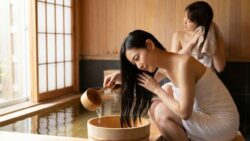 Japanese Hair-Washing Method Helps Hair Look Stronger Shinier and Healthier Without Salon Visits
Complementary Natural Options for Hair Color
Cocoa treatments can be paired with other gentle methods like black tea or coffee rinses to deepen the tone or with rosemary and sage infusions for added scalp care. Mixing different treatments helps prevent hair from becoming too warm or flat. For more pronounced results, professional colorists now specialize in gray blending using low-impact dyes and plant-based glosses, allowing you to maintain color at home between salon visits. Testing on a small, hidden section of your hair ensures that the treatment works well for your hair type.