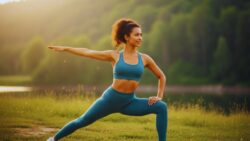
Extreme stretches uncomfortable positions, or years of experience are not necessary for increasing flexibility. When the body feels secure, at ease, and supported by regular movement flexibility develops most effectively. Because yoga combines mindful awareness controlled breathing, and gentle stretching, it’s a great place for beginners to start. These twelve beginner-friendly yoga poses promote smoother movement, release tense muscles and increase joint mobility without using force or strain completely.
Why Beginners Seeking Flexibility Can Benefit from Yoga
Many novices believe that in order to begin yoga, they must already be flexible; however, flexibility is a product of practice, not a requirement. Yoga enhances flexibility by calming the nervous system first. Muscles stop resisting and start to naturally lengthen as stress levels drop. Gentle, repeated movements also improve circulation and lubricate the joints, which supports long-term mobility and comfort.
Beginner Yoga Poses to Improve Flexibility
Mountain Pose for Better Postural Flexibility
Mountain pose builds alignment and body awareness. Standing tall with relaxed shoulders helps lengthen the spine and reduce postural tension throughout body. Though subtle, this pose forms the foundation for flexibility by improving how the body supports itself throughout daily activities.
 Goodbye Pressure Cooker as Families Move Toward Smarter Safer All in One Kitchen Appliances
Standing Forward Fold for Hamstrings and Spine
This gentle forward fold stretches the hamstrings calves, and back. Beginners can slightly bend the knees to stay comfortable. Allowing the head to hang freely helps release neck and upper-back tension supporting overall flexibility.
Low Lunge for Hip Flexor Mobility
Low lunge is especially helpful for beginners with tight hips caused by prolonged sitting habits. It gently opens the front of the hips while building leg strength. Increased hip flexibility often improves posture and reduces lower-back discomfort significantly.
Cat–Cow Stretch for Spinal Movement
This slow, flowing sequence increases spinal flexibility from neck to lower back. Coordinating breath with movement helps release stiffness in the shoulders and spine while warming up the body in a safe controlled way.
Downward Facing Dog (Modified for Beginners)
This full-body stretch targets the back shoulders, hips, calves, and hamstrings. Beginners can keep the knees bent and focus on lengthening the spine instead of straightening the legs.
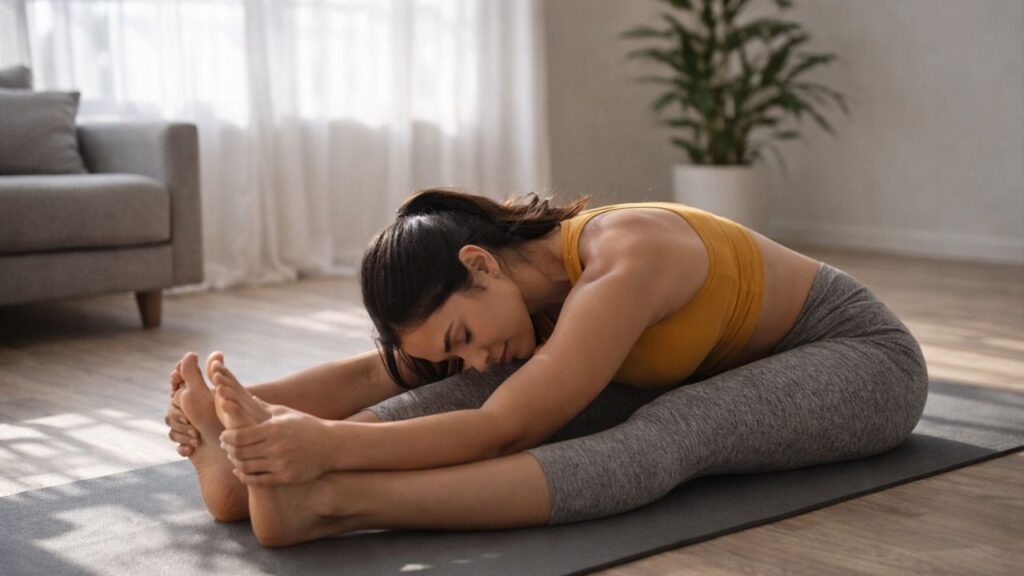
Seated Forward Fold for Gentle Lengthening
This seated pose stretches the hips hamstrings and lower back without placing pressure on the joints. Its relaxed nature encourages the muscles to soften and lengthen gradually over time naturally.
Butterfly Pose for Inner Hip Flexibility
Butterfly pose gently opens the inner thighs and groin, areas that are often tight in beginners. Holding the pose with calm breathing improves flexibility without discomfort.
Seated Twist for Side Body Mobility
Gentle seated twists enhance flexibility around the spine, waist, and hips. These movements restore natural rotation and help undo stiffness caused by daily posture habits.

Child’s Pose for Full-Body Release
Child’s pose stretches the hips back and shoulders while allowing complete relaxation. It is especially beginner-friendly because it combines gentle flexibility with restorative rest benefits.
Supine Knee-to-Chest Pose for Lower Back Relief
This reclining pose gently stretches the lower back and hips while decompressing the spine naturally. It is ideal for beginners who feel stiff after long periods of sitting during daily routine.
Supine Figure Four for Outer Hip Opening
This accessible hip opener releases tension in the glutes and outer hips without stressing the joints. Improved hip mobility often makes everyday movement feel easier.
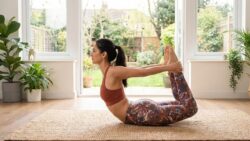
Reclined Bound Angle Pose for Deep Relaxation
This restorative pose allows gravity to gently open the hips and inner thighs while the body remains fully supported. Longer, relaxed holds encourage flexibility gains without effort.
How Often Beginners Should Practice
Consistency matters more than intensity. Practicing these poses for 10–20 minutes, 4–6 days a week, can lead to noticeable flexibility improvements within a few weeks. Gentle daily practice produces the best results.
Common Flexibility Mistakes Beginners Should Avoid
Forcing stretches, holding the breath or comparing progress to others can slow improvement significantly. Flexibility develops fastest when movements stay slow comfortable, and paired with steady breathing patterns.
 12 Yoga Poses That Release Body Stiffness Improve Flexibility and Help You Move More Freely
How Natural Flexibility Supports Daily Life
As flexibility improves, everyday actions such as walking, bending, reaching, and sleeping become easier naturally. Reduced stiffness supports better posture fewer aches, and increased energy throughout the day consistently.