Entering a modern hair dye aisle can often overwhelm with the sharp chemical odors, bold claims, and small print on the warning labels. To achieve that perfect shade, many people reluctantly accept ammonia, peroxide, and synthetic formulas as a necessary trade-off. Henna, however, offers an entirely different experience. Extracted from the Lawsonia inermis plant, henna has been a trusted natural dye for thousands of years, coloring hair, skin, and fabric. When mixed with warm liquid, its lawsone pigment gradually releases and binds to keratin, gently wrapping each strand with a translucent color. Unlike chemical dyes that strip hair, henna strengthens it, leaving it healthier, shinier, and more vibrant. The earthy, natural scent is more reminiscent of leaves and tea than synthetic fragrances, making the hair-dyeing process feel like a soothing, mindful ritual rather than a rushed task.
Choosing Pure and Truly Labeled Henna
When it comes to henna, quality matters more than anything else. Pure henna should be free of metallic salts or artificial dyes, offering a body-art-quality powder. Many unsatisfactory experiences with henna come from so-called “compound hennas” that contain hidden chemicals. Authentic henna feels soft, finely sifted, and has a fresh, grassy fragrance. It will never sparkle or smell artificial. Freshness is crucial, as henna loses its effectiveness over time. Carefully reading labels and sourcing responsibly becomes part of the process—when you choose henna, you’re not just selecting a color, but a plant that has been thoughtfully cultivated, harvested, and processed. When henna is respected as a living material, the results on your hair will be richer and more reliable.
Building a Simple Henna Toolkit
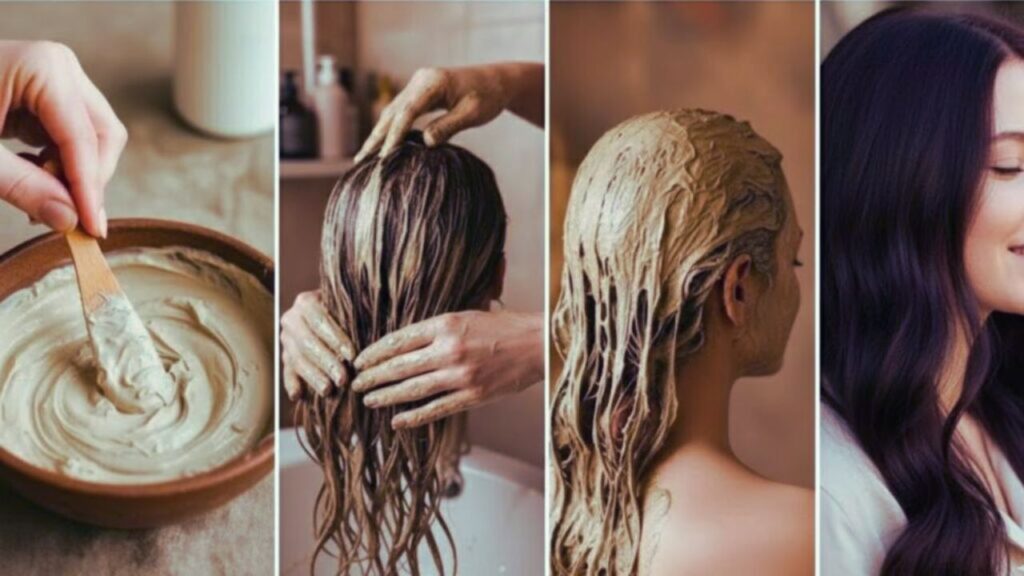
Henna doesn’t require expensive equipment. You only need a glass, ceramic, or stainless-steel bowl, a spoon, gloves, an applicator brush, plastic wrap, and an old towel. Avoid using reactive metals and protect your hands and clothing. However, patience is the most important tool. Henna works slowly, releasing dye over several hours, as opposed to instant chemical dyes. Using henna is more like preparing a slow-cooked meal—deliberate, thoughtful, and rewarding—rather than opting for a fast-food solution.
 Awake Look Hack: The Brow Trick Makeup Artists Rely On for Instant Freshness and Brighter Features
Classic Henna Recipe for Copper Tones
For a classic copper shade, the simplest recipe involves mixing pure henna powder with strong warm tea until you reach a yogurt-like consistency. If your scalp tolerates mild acidity, you can add lemon juice or apple cider vinegar to boost dye release. Let the mixture rest for 4–8 hours to allow the color to deepen. Apply it evenly to clean hair, cover it with plastic, and leave it on for 2–4 hours. After rinsing, the color may initially appear bright orange, but it will oxidize over several days into a more natural copper or auburn shade, depending on your base hair color.
Creating Auburn and Brown Shades Naturally
To soften or deepen henna color, mix it with other plant powders. Mixing henna with amla powder reduces brightness and creates cooler auburn tones while also enhancing hair texture. For brown or chocolate shades, a two-step process yields the best results: first apply henna for a red base, then follow with indigo powder to darken the color. This technique ensures better control and more predictable results, particularly for light to medium hair, producing shades ranging from chestnut to deep black.
Ingredient Table for Natural Henna Dyes
| Ingredient | Primary Benefit | Ideal For |
|---|---|---|
| Amla Powder | Softens strong red tones and adds body to hair | Anyone seeking balanced brown-red shades |
| Indigo Powder | Darkens henna to deep brown or black | Gray coverage or dark brunette results |
| Cassia (Neutral Henna) | Enhances shine with a light golden glow | Blonde/light hair types desiring warmth and gloss |
| Black Tea / Coffee | Deepens and enriches overall tone | Medium to dark hair needing richer color |
| Chamomile Tea | Brightens with soft golden warmth | Light hair types wanting a sunlit effect |
| Aloe Vera Gel | Improves moisture retention and smoothness | Dry, curly, or fragile hair needing hydration |
| Essential Oils (Lavender, Rosemary) | Enhances fragrance and may calm the scalp | People sensitive to henna scent or needing scalp comfort |
Henna Gloss for Subtle Color and Shine
If you prefer a more subtle effect, try using a henna gloss. Simply mix a small amount of henna paste with a silicone-free conditioner and apply it like a hair mask. Leave it on for 45–90 minutes before rinsing. This method adds soft highlights, warmth, and a noticeable shine without drastically changing your hair color. It’s a perfect way to experiment with henna before committing to a full color treatment.

Layering to Achieve Your Ideal Shade
Henna’s beauty lies in its gradual color build-up. Lighter hair will become golden-copper, medium hair will turn chestnut or auburn, and dark hair will reveal subtle red tones, especially in sunlight. Gray hair transforms into warm highlights instead of disappearing completely. Because henna fades slowly, it’s wise to start with a light application. You can always deepen the shade in subsequent treatments, while continuing to nourish your hair.
Safety, Patch Tests, and Hair History
Even natural dyes require caution. Always perform a patch test to check for sensitivity. Apply a small amount to your skin, rinse, and wait 24–48 hours to ensure there’s no reaction. If your hair has been previously treated with chemical dyes, particularly those with metallic salts, proceed carefully. Pure henna is generally safe, but low-quality henna can cause unexpected reactions. Protect your hairline with oil, ventilate the room, and allow ample processing time—don’t rush the process.
Aftercare and Long-Term Results
Rinsing henna can be a slow process, but warm water and patience help remove the paste. Many prefer to avoid shampoo for the first 24 hours to let the color settle. Over several days, the shade deepens and stabilizes. With gentle cleansing and minimal sulfates, henna color can last well. Regular root touch-ups or occasional gloss treatments will keep the color fresh while preserving your hair’s health and shine.
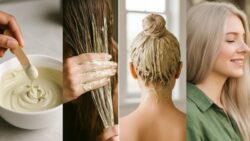 Henna Based Hair Dye Recipes Give Vibrant Colour Naturally Without the Damage of Harsh Chemicals
The Quiet Power of Plant-Based Hair Color
Henna doesn’t fight your natural hair—it complements it. Grays become highlights, and natural variations are highlighted as part of the beauty. Choosing henna is a quiet act of defiance against harsh chemicals and the fast-paced beauty industry. It invites patience, connection with nature, and a deeper sense of ritual. The result is not a uniform, salon-perfect shade, but a living color that changes over time, shaped by light and natural elements—one that feels deeply personal and grounded.
 Forget crunches and sit-ups because this beginner core workout builds strength with far less strain