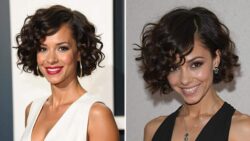
Understanding your hair texture is the first step toward choosing the right products and styling techniques. Many people confuse hair type with texture, but texture refers specifically to the thickness and pattern of individual strands. Knowing this helps you manage your hair better and achieve the desired look.

Why Knowing Your Hair Texture Matters
Understanding your texture makes it easier to:
- Select the right shampoo, conditioner, and treatments
- Style your hair with less damage
- Determine the best cuts for volume and shape
- Prevent common issues like frizz, breakage, or flatness
Steps to Identify Your Hair Texture
Step 1: Wash and Air Dry
Start with clean, product-free hair. Avoid blow-drying, straightening, or curling so you can see your hair in its natural state.
 How to Determine Your Natural Hair Texture: Easy Methods Experts Use To Identify Curl Type
Step 2: Examine the Strand Thickness
Take one strand and compare it to a sewing thread:
- Fine Hair: Thinner than thread, feels delicate
- Medium Hair: Similar to thread, balanced strength and volume
- Coarse Hair: Thicker than thread, strong and more resistant to styling
Step 3: Observe the Natural Pattern
- Straight (Type 1): No visible curl or wave
- Wavy (Type 2): Slight bends forming an S-shape
- Curly (Type 3): Defined curls or spirals
- Coily (Type 4): Tight, small coils or kinks
Step 4: Check Hair Porosity
Drop a clean strand into a glass of water:
- Low Porosity: Floats on top (resists moisture)
- Medium Porosity: Sinks slowly (balanced moisture)
- High Porosity: Sinks quickly (absorbs moisture fast but loses it easily)
Step 5: Assess Hair Density
Part your hair and look at your scalp:
- Low Density: The scalp is obvious
- Medium Density: Some scalp visibility
- High Density: Minimal scalp visibility
Common Hair Texture Types
- Fine & Straight: Soft and shiny but prone to oiliness
- Medium & Wavy: Versatile for styling, can frizz in humidity
- Coarse & Curly: Strong and voluminous, but may need more hydration
- Coily: Naturally dense and resilient but needs extra care to avoid dryness
Caring for Different Hair Textures
- Fine Hair: Use lightweight products to avoid weighing hair down
- Medium Hair: Regular trims and balanced moisture help maintain health
- Coarse Hair: Deep conditioning and anti-frizz products work best
- Curly/Coily Hair: Hydrating mask and leave-in conditioner are essential for definition and softness
Factors That Can Change Your Hair Texture
While genetics determines your natural hair texture, several factors can cause changes over time:
- Hormonal Changes: Pregnancy, menopause, or thyroid issues can alter hair pattern and thickness.
- Aging: Hair tends to become finer or lose its curl pattern with age.
- Heat Styling: Frequent straightening or curling may temporarily change the texture.
- Chemical Treatments: Relaxers, perms, or coloring can permanently alter strand structure.
- Health & Nutrition: Nutrient deficiencies or certain medications can affect hair strength and feel.
Myths About Hair Texture
- Myth 1: Hair texture never changes – In reality, hormonal and environmental factors can shift your texture.
- Myth 2: Only curly hair needs special care – Every hair type requires a tailored routine to stay healthy.
- Myth 3: Thicker strands mean denser hair – Thickness refers to individual strands, while density is about how many strands you have.
Professional Help in Identifying Texture
If you’re unsure about your texture, visiting a hairstylist or trichologist can help. Professionals analyze your strand under proper lighting and may recommend treatments or products suited for your type.
Building a Haircare Routine Based on Texture
For Fine Hair
- Wash more frequently to manage oil buildup.
- Use volumizing shampoos and lightweight conditioners.
- Avoid heavy oils and butters.
For Medium Hair
- Balance moisture and protein treatments.
- Experiment with different styles easily.
- Regular trims to avoid split ends.
For Coarse Hair
- Use moisturizing shampoos and rich conditioners.
- Apply nourishing masks weekly.
- Detangle gently to prevent breakage.
For Curly/Coily Hair
- Follow the LOC (Liquid, Oil, Cream) method for hydration.
- Avoid harsh sulfates that strip natural oils.
- Use protective styles to maintain health.
Quick At-Home Tests for Texture
Curl Pattern Test
Twist a strand around your finger—tight curls indicate a curly/coily type, while a slight bend indicates wavy.
 Best Curl Enhancing Products of 2026 That Define Waves Reduce Frizz And Deliver Long Lasting Bounce
Stretch Test
Gently stretch your hair; if it springs back quickly, it’s likely curly or coily.
Finger Thickness Test
Roll a strand between your fingers—if you can barely feel it, you have fine hair; if it feels prominent, it’s coarse.
How Does Climate Affect Hair Texture?
Your environment plays a significant role in how your texture behaves:
- Humid Weather: Often makes wavy and curly hair frizzier and less defined.
- Dry Climates: Can cause coarse and curly hair to lose moisture, leading to brittleness.
- Cold Weather: May flatten fine hair and cause static or flyaways.
Tip: Adjust your routine seasonally—use anti-frizz serums in summer and hydrating masks in winter to maintain balanced texture.
How to Work With Mixed Textures?
It’s common to have different textures in different areas of your scalp (for example, straight roots with wavy ends).
- Use lightweight products at the roots and richer moisturizers at the ends.
- When styling, section your hair and apply different techniques suited for each texture.
- Consider blended haircuts that accommodate multiple patterns naturally.
Tools That Help Identify and Manage Texture
- Wide-Tooth Comb: Ideal for curly and coily hair to prevent breakage, as its spaced teeth allow for gentle detangling.
- Boar Bristle Brush: Helps distribute natural oils in straight and wavy hair.
- Diffuser Attachment: Enhances curls and waves without disturbing natural patterns.
- Silk or Satin Pillowcase: Reduces friction, helping maintain natural texture overnight.
How to Embrace and Enhance Your Natural Texture?
Many people try to fight their natural hair texture with straighteners or relaxers, but enhancing it can lead to healthier hair.
 Best Lightweight Leave-In Conditioners for Fine Curly Hair That Hydrate Without Weighing Curls Down
- Learn styling techniques specific to your type (e.g., plopping for curls, blowouts for fine hair).
- Use curl-enhancing or volume-boosting routines that work with your pattern.
- Protect your hair from excessive heat and harsh chemicals to maintain its natural structure.
Long-Term Benefits of Knowing Your Texture
- Improved Hair Health: Prevents damage from mismatched products and styling methods.
- Better Growth: Healthier strands break less, leading to longer, fuller hair.
- Time & Cost Savings: Choosing the right products means fewer trial-and-error purchases.
- Confidence: Embracing your natural look boosts self-esteem and styling satisfaction.
Conclusion
Identifying your hair texture is the key to unlocking healthier, more manageable, and naturally beautiful hair. By understanding its thickness, pattern, porosity, and density, you can choose products and styling methods that enhance—not fight—your natural strands. Whether your hair is straight, wavy, curly, or coily, embracing its unique texture allows you to build a personalized care routine that supports long-term strength, shine, and confidence.
 Should You Comb Curly Hair Dry Expert Tips That Protect Curls Reduce Frizz And Prevent Damage