Fine hair is more than just having fewer strands; it’s about the diameter and structure of each individual strand. Fine hair typically has strands that are thinner than 62 micrometers in diameter, which contributes to its delicate texture and smooth, silky feel. However, the same features that make it soft and manageable also present some unique challenges, such as oiliness, volume issues, and styling difficulties.
Characteristics of Fine Hair
- Narrow Diameter: Fine hair has thinner strands compared to coarse or medium hair.
- Silky Texture: Fine hair’s smooth cuticle makes it soft but harder to style.
- Delicate Structure: Fine hair is more vulnerable to damage.
- Genetic Influence: Fine hair is often inherited.
How to Determine If You Have Fine Hair?
To identify if you have fine hair, there are simple tests you can try at home. These tests focus on the structure and texture of your strands, which will help you adapt your haircare routine.
Touch Test
Run a clean, dry strand between your thumb and forefinger. Fine hair feels lightweight and smooth, almost like silk. If you can barely feel the strand, you likely have fine hair.
Scalp Visibility Test
Part your hair in a well-lit area and check if your scalp is visible. Fine hair, particularly when wet or styled a certain way, makes the scalp more noticeable. This indicates each strand covers less surface area.
Ponytail Test
Gather your hair into a ponytail using a regular elastic band. If the circumference feels smaller than a 10-pence coin, your hair is likely fine.
Water Test
Drop a clean hair strand into a glass of water. Fine hair will either sink slowly or briefly float before sinking completely, while coarser hair tends to float longer due to its thicker structure.
Challenges Faced by Fine Hair and How to Manage Them
Fine hair is more prone to specific challenges due to its delicate structure. Understanding these problems allows you to use the right products and techniques to manage them effectively.
Lack of Volume
Fine hair lies flat due to its smooth cuticle. Adding volume requires lightweight products and specific styling techniques designed for fine hair.
Oiliness
Fine hair can become oily quickly because oils travel easily along the smooth strand. This doesn’t mean your scalp produces excessive oil but is just a characteristic of fine hair.
Prone to Damage
Since fine hair is delicate, it’s more vulnerable to damage from heat styling, chemicals, and rough handling. The lack of a strong cuticle layer makes fine hair prone to breakage.
Styling Challenges
Heavy styling products can weigh fine hair down, leaving it flat and lifeless. Fine hair requires light, precise application of styling formulas to avoid this issue.
 A trainer wants you to try this five-minute workout to improve deep core strength and stability
Types of Fine Hair Textures
Fine hair comes in various textures, and understanding your texture helps you choose the right products and techniques for care.
Fine Straight Hair
Fine straight hair shows oiliness and lacks volume. It often falls flat, and since it has minimal texture, it can appear lifeless. Dry shampoo and root-lifting sprays are great options for this texture.
Fine Wavy Hair
Fine wavy hair can appear fuller due to its natural wave but may struggle with frizz and maintaining curl definition. Lightweight mousse or curl creams can enhance waves without weighing them down.
Fine Curly Hair
Fine curly hair requires moisture to maintain its curl shape but can become weighed down by heavy creams. Gel-based products work best when combined with scrunching for definition.
Essential Haircare Products for Fine Hair
Choosing the right products for fine hair is crucial. Using heavy or moisturizing formulas can make fine hair greasy and limp. The right routine enhances volume, texture, and protection for delicate strands.
Recommended Products
- Lightweight Volumizing Shampoos: Adds volume without residue.
- Dry Shampoos: Ideal for texture and absorbing oil.
- Root-Lifting Sprays: Adds lift at the roots for volume.
- Texturizing Sprays: Enhances grip for styling and hold.
Products to Avoid
- Heavy Oils and Serums: These can weigh fine hair down.
- Thick Leave-In Conditioners: These may make fine hair flat.
- Protein-Heavy Treatments: These can make fine hair brittle.
Styling Tips and Haircuts for Fine Hair
With the right haircut and styling tips, fine hair can look fuller and more voluminous. Strategic layering and styling products tailored for fine hair make a huge difference.
Best Haircuts for Fine Hair
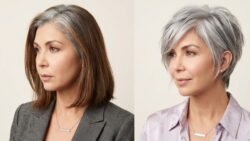
Blunt cuts create a fuller appearance, while subtle layers add movement. Bobs and lobs are particularly great for fine hair, boosting volume and maintaining manageability.
Volume-Boosting Styling Tips
- Blow-Dry Upside Down: Helps lift hair at the roots.
- Use Round Brushes: Lifts sections while drying for added body.
- Cool Shot Finish: Helps set the style and adds longevity.
- Tease at the Roots: For extra height and volume.
How to Create the Illusion of Thicker Hair
While you can’t change your hair’s structure, you can use styling tricks to make fine hair appear fuller. Products and techniques can create the illusion of thicker hair.

Techniques to Thicken Fine Hair
- Texturizing Products: These add grip between strands for more volume.
- Strategic Highlighting: Adds depth and dimension to fine hair.
- Proper Sectioning: Ensures even product distribution for consistent volume.
- Regular Trims: Prevents split ends and keeps hair looking full.
Frequently Asked Questions About Fine Hair
| Question | Answer |
|---|---|
| Is fine hair always thin? | No, fine refers to the thickness of the individual strand, while thin refers to the overall hair density. |
| Can fine hair become thicker over time? | No, the diameter of individual strands is genetic, but proper care can make it look fuller. |
| Why does fine hair get oily quickly? | The smooth cuticle allows oils to travel easily down the strand, making fine hair appear greasy sooner. |
| Can fine hair be both thick and thin? | Yes, you can have fine strands but a high density, making your hair appear fuller. |
Conclusion: Embrace Your Fine Hair
Understanding fine hair is essential for proper care. With the right products, techniques, and haircuts, fine hair can be voluminous, healthy, and stylish. Experiment with different approaches to find what works best for your unique texture!