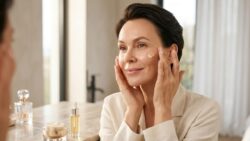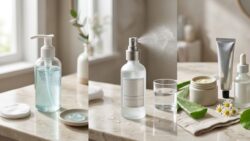
Peptides are short chains of amino acids that do a lot of things, including acting as signalling molecules. They are very popular in skin care. These are pieces of proteins that can tell the skin to make more collagen and elastin. People are especially excited about how they can help firm and plump up fine lines. But it’s important to remember that the body makes thousands of different types of these substances, each with its own health and healing role.

Peptides for Hair Growth
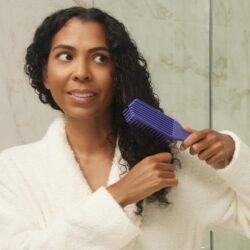
Researchers are also looking into some peptides to see if they can help hair grow, make strands stronger, and make hair denser overall. Dr. Munir Somji says, “Hair-growth peptides are short chains of amino acids that help hair follicles grow and send signals to them.” “In hair restoration, some peptides help follicles work better, make the scalp healthier, and support hair growth that is thicker and healthier.” Peptides that help hair grow work by targeting the hair follicle and the tissues around it to make them healthier and work better. Think of them as signalling molecules for the hair and scalp’s current structures. They don’t make new follicles, but they can help the ones that are already there work better.
Frequently Asked Questions About Hair Peptides
- What are peptides that help hair grow?
- What do hair peptides do?
- How do peptides stack up against minoxidil or finasteride?
- How long does it usually take for peptide hair products to show results?
- Do you have to keep using it to keep getting results?
- When and how often should peptide products be used?
- Is it safe to mix peptides with minoxidil, PRP, or microneedling?
- Are peptides better at stopping hair loss that is thinning, shedding, or just starting?
- What kinds of hair loss do peptides work best for?
- Do peptides work differently for men and women?
Peptide-Based Products for Hair Growth
The Ordinary Multi-Peptide Serum for Hair Density costs £20.70 at Sephora. Why it’s Vogue-approved: Peptides are often used in skin care to boost the production of collagen and elastin. When applied to your scalp, they can also help your hair stay healthy and make it look thicker and fuller. This formula uses a mix of its own peptides and caffeine to do just that. Caffeine also increases blood flow to the scalp, which sends more nutrients to the roots. Main ingredients: Redensyl, caffeine, peptides, and green tea extract. Best for: fine, dry hair.

Typebea G1 Overnight Boosting Peptide Serum costs £34.40 at Sephora. Why Vogue likes it: Typebea’s serum comes in the biggest bottle on this list, so it will last a long time while you grow your hair. Its blend of smart peptides gives you instant relief from itching, hydrates your scalp, and gives your follicles a boost. It has no silicones and has gentle exfoliants like lactic acid and gluconolactone in it, so it’s great for flaky scalps too. Also, it has great reviews for helping with hair loss after giving birth, even if you only use it once in a while. Baicapil, arginine, lactic acid, and hydrogenated castor oil are some of the most important ingredients. Best for: All kinds of hair.
 Blurred Nails Emerge as 2026’s Most Elegant Minimal Manicure Trend for Clean Soft Nail Looks
Bio-Pilixin Activation Serum: £50, now £42 (16% off). Why Vogue likes it: This serum boosts blood flow with niacinamide and caffeine, which Dr. Majeed from Harley Street Hair Clinic says is important for follicles that are well-fed and working properly. It also has a strong turmeric extract and growth factors that stop the inflammation that causes most types of hair loss. Experts say that Reckendorff says the ingredients in this formula help keep the hair follicles healthy and extend the anagen, or growth phase, of the hair cycle. These are big promises, but they are backed up by scientific tests. “In clinical trials, we documented reduced hair loss and increased density in 150 days,” he says. Main ingredients: caffeine, plant growth factors, eucalyptus oil, and Capila Longa (turmeric extract).