
Hip tightness can be a common issue for many people, especially those who spend long hours sitting or working at desks. Incorporating yoga into your routine is a gentle and effective way to improve hip flexibility and release tension. With the right poses, you can enhance overall mobility, reduce discomfort, and even support better posture. These exercises are suitable for beginners and experienced practitioners alike, offering a balanced approach to strengthening and stretching the hip region while promoting mindful movement and body awareness in daily life.
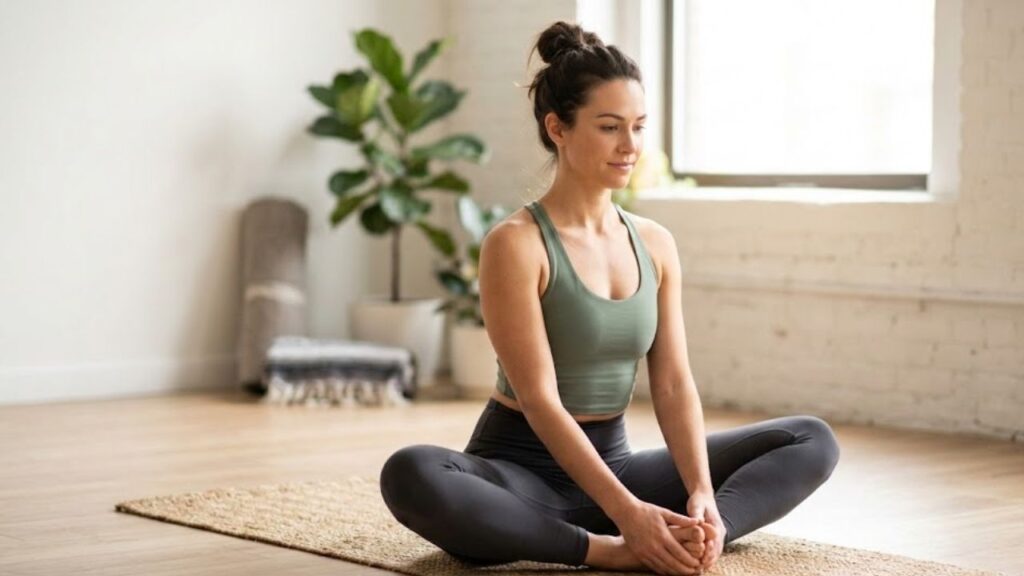
Essential Yoga Poses for Hip Flexibility
Starting with foundational stretches can make a significant difference in loosening tight hips. Poses like the butterfly stretch and low lunge focus on opening the hip joints gently while maintaining control. Holding these positions for a few breaths helps in increasing joint mobility and alleviating stiffness. Integrating gentle movements into your routine allows muscles to adapt gradually, reducing the risk of injury. Consistent practice encourages better muscle coordination and enhances blood flow, leaving the hips feeling more flexible and ready for advanced postures over time.
Advanced Hip Stretching Techniques
Once basic flexibility is established, progressing to deeper stretches can further release tension. Poses like pigeon pose variations and frog stretches target deeper layers of hip muscles that often remain tight. Engaging in controlled breathing while holding these positions helps the body relax, allowing for greater range of motion. These advanced techniques also promote core engagement, supporting stability and balance during each movement. Over time, consistent practice can reduce discomfort, improve walking posture, and enhance the overall strength and flexibility of the hip area.
 Best Lightweight Leave-In Conditioners for Fine Curly Hair That Hydrate Without Weighing Curls Down
Daily Routines to Reduce Hip Tightness
Incorporating hip-focused yoga into your daily schedule can prevent stiffness from building up. Short sessions of morning stretches and evening releases help maintain flexibility throughout the day. Simple movements like seated twists or gentle lunges can be done anywhere, making it easier to stay consistent. Using mindful practice ensures you engage muscles properly while avoiding strain. Over weeks of consistent effort, hips feel lighter, movement becomes smoother, and daily activities are performed with less tension and greater ease.
Summary of Hip Flexibility Benefits
Practicing these yoga poses regularly offers a wide range of advantages. Improved hip mobility enhances posture, reduces pain, and supports better athletic performance. Gentle daily stretching fosters stress relief and promotes relaxation, while consistent practice encourages stronger muscle control and balanced movement patterns. By integrating both basic and advanced poses, anyone can create a well-rounded routine that targets tight hips, improves overall joint health, and contributes to a healthier, more flexible body over time.
| Yoga Pose | Focus Area | Duration | Difficulty |
|---|---|---|---|
| Butterfly Stretch | Inner thighs | 30–60 seconds | Beginner |
| Low Lunge | Hip flexors | 30–45 seconds | Beginner |
| Pigeon Pose | Outer hips | 45–60 seconds | Intermediate |
| Frog Stretch | Inner hips | 30–60 seconds | Intermediate |
| Seated Twist | Hip rotation | 20–40 seconds | Beginner |
Frequently Asked Questions (FAQs)
1. How often should I practice hip yoga?
Practicing 4–5 times per week is ideal for improving flexibility.
 Should You Comb Curly Hair Dry Expert Tips That Protect Curls Reduce Frizz And Prevent Damage
2. Can beginners do advanced poses?
Beginners should start with basic stretches before advancing to deeper poses.
3. How long does it take to see improvement?
Noticeable changes often appear within 3–6 weeks of consistent practice.

4. Do I need props for these exercises?
Props like yoga blocks or cushions can enhance comfort but are optional.