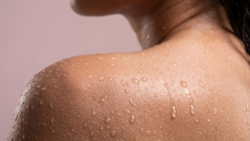
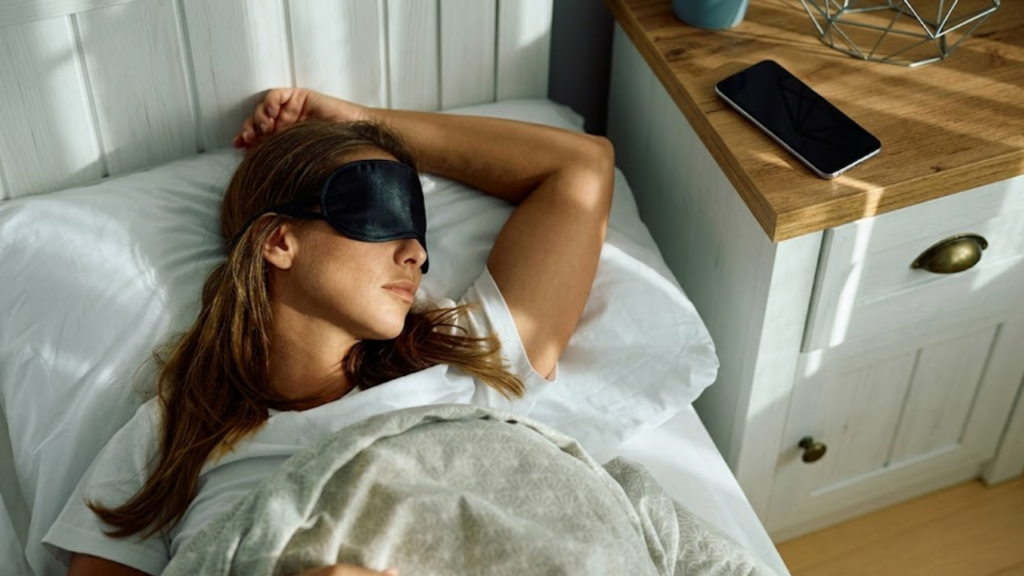
“You look tired” is one of the most annoying things people can say to me. Not because it’s mean, but because it’s usually true. Your skin is honest and it doesn’t hide anything. I can see it in the mirror. When my Oura ring gives me a high sleep score, my skin looks healthier, brighter, and calmer. But what if I’ve been cutting corners on sleep? The proof is right there. The dark circles get darker. My cheeks are getting redder. My usual glow fades to a dull, flat finish. We all know that getting enough sleep is good for our health and our skin. But what really happens to your skin when you don’t get enough of it? I asked three dermatologists to explain in detail how those late nights affect your skin.
- James Kilgour, MD, is a board-certified dermatologist at Golden State Dermatology and the founder of KilgourMD.
- Dr. Hallie McDonald is a board-certified dermatologist in Austin, Texas, and one of the founders of ERLY.
- Ellen Marmur, MD, is a board-certified dermatologist, the creator of MMSkincare, and the founder of Marmur Medical in New York City.
Why Your Skin Needs Sleep
James Kilgour, MD, a board-certified dermatologist at Golden State Dermatology and the founder of KilgourMD, says, “Sleep is one of the most important—and most overlooked—pillars of skin health.” When you sleep deeply, your body sends more blood to your skin, makes more collagen, and speeds up the repair of cells. This is the best time for restoration, in other words.
That’s why taking care of your skin at night is important too. Dermatologists often suggest using active ingredients like retinoids and peptides at night to help the skin repair itself and make more collagen and new cells. During the day, protection is the main goal. Think of antioxidants and, of course, sunscreen.
 Repurchased Amazon Favorites: 16 Beauty Home and Fashion Products Editors Keep Buying Again
“Your parasympathetic nervous system and your circadian rhythm work together to repair your skin the most at night,” says Ellen Marmur, MD, board-certified dermatologist, creator of MMSkincare, and founder of Marmur Medical in New York City. “These cycles of regeneration can’t keep up if you don’t get enough sleep.”
Stress hormones can make things worse when not getting enough sleep becomes normal. “When you don’t get enough good sleep, your cortisol levels can go up, which can make it harder for your skin to heal. It can also make your skin look dull and tired by slowing down circulation,” says Hallie McDonald, MD, a board-certified dermatologist in Austin, Texas, and cofounder of ERLY.
How Lack of Sleep Affects Your Skin
A skin barrier that isn’t as strong
Your skin heals while you sleep. That restoration slows down if it doesn’t have enough of it. Marmur says, “Not getting enough sleep stops your skin from healing itself, making it dull, dry, and more likely to get fine lines, puffiness, and even itchiness.” When your barrier is weak, irritants and bacteria can get in more easily, and moisture can escape more easily. This makes skin more reactive, sensitive, and less able to hold onto moisture.
The damage gets worse over time. Kilgour adds, “We can see that the barrier function is not working as well and that inflammation or breakouts take longer to heal.” When your barrier is weak, your skin is more sensitive, reactive, and less able to hold onto moisture.
More pimples and swelling
There is also an effect on hormones. McDonald says, “When you don’t get enough sleep or sleep poorly, your cortisol levels can go up and hurt your skin’s repair.” Kilgour says that high levels of cortisol can cause the skin to produce too much oil, make acne worse, and make inflammatory skin conditions like eczema or psoriasis worse. People who have these problems know that stress and not getting enough sleep are two of the most common causes.
Marmur says that not getting enough sleep can also make inflammation worse all over the body, which can show up as redness, sensitivity, or flare-ups. I know this from experience because my skin is prone to redness. When I only get four or five hours of sleep, I tend to get redder than usual. Even my cheeks feel warm when I touch them.
 Eczema Friendly Skincare Routine: Gentle Makeup and Skin Care Products That Prevent Irritation
Marmur says that the link between sleep and skin is so strong that it has a name: the brain-skin axis. This is a well-studied psychodermatology phenomenon that shows how stress and the nervous system affect skin health directly.
Dullness, dark circles, and swelling
There is a reason why your skin looks flat after a rough night. McDonald says that higher levels of cortisol and less blood flow can make skin look dull, tired, and less vibrant.
Kilgour says that dark circles and puffiness under the eyes are also closely linked to not getting enough sleep. This is partly because of fluid shifts and changes in circulation. Marmur also says that dark circles that don’t go away can sometimes be a sign of a bigger problem, like anaemia, so it’s a good idea to see a doctor if they don’t get better.
Pretend Until You Get It
I try to make sleep a priority. I usually go to bed by 9:30 p.m. and get up around 5:30 a.m., but life gets in the way. The first few years of my child’s life were very hard, and now that I’m going through perimenopause, it’s hard to stay asleep.
I use a few tried-and-true tricks to make my skin look more rested than I feel when I can’t get a full eight hours. I make sure to use my Shark red light mask every day to make my skin look better and help it make more collagen. I use my lymphatic face brush (I swear by the Cecily Braden one) to gently shape and de-puff my face when I wake up puffy. A green-tinted colour corrector, like the one I use from Typology, helps balance out my skin tone and get rid of redness in just a few seconds.
 Natural Oils for Hair Growth: 7 Powerful Oils That Support Stronger Thicker Hair Naturally
Of course, no beauty tip can really take the place of getting enough sleep. But these little fixes help me look a little more awake when I’m in a hurry, even if my Oura ring says otherwise.