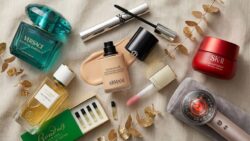
In terms of skincare and products, Korean beauty has always advanced significantly, but by 2026, even more advancements are on the horizon. Although “glass skin” has been popular for some time, integrated facialist April Brodie tells Refinery29 Australia that we should strive for “bloom skin” by 2026. This means that rather than glossy skin, we want to see skin that is hydrated, even-toned, and strengthened. Unexpectedly, Korean skincare products are reasonably priced, and beginners can easily get started.
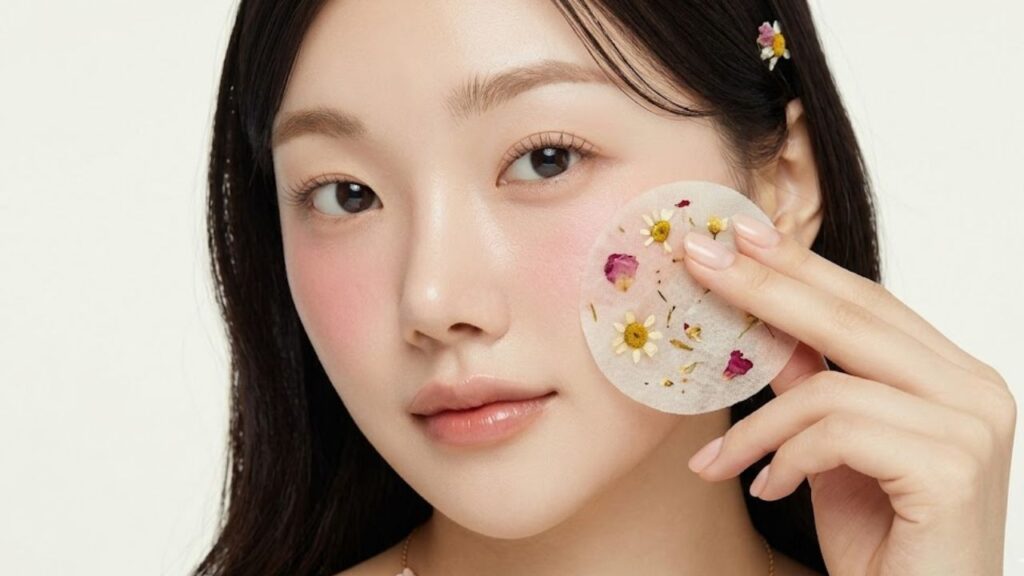
The six Korean beauty trends for this year are broken down here, along with the reasons you should follow them as soon as possible.
What should you know if you’re new to Korean skincare and cosmetics?
Let us explain if purchasing Korean cosmetics seems intimidating. You don’t need a thousand-step routine because consistency is more important here than complexity. “Start with the essentials: cleanse gently hydrate deeply, treat intentionally, and protect daily,” advises the integrated facialist. “Disciplined routines respect for the skin barrier, and scientifically supported formulations are what create the globally admired Korean glow, not viral products or miracle creams.”

Why is Korean beauty so popular among Gen-Z and on TikTok?
Brodie claims that the cost and outcomes of K-beauty have made it popular among younger customers. According to her, “it combines education, visible results, innovation, accessibility, and affordability.” “Younger consumers are very knowledgeable about ingredients, and they react favorably to companies that describe how and why their products work. One important consideration is cost; K-beauty appeals to Gen-Z and digital-first customers by offering cutting-edge formulas at reasonable prices.
Which six Korean beauty trends will be popular in 2026, and how can Australia adopt them?
1. Biotech and “smart beauty”
“Dermatological research ingredient transparency, and biotechnology are driving the next evolution of K-beauty.” Advanced cellular-support ingredients biofermented actives, and lab-engineered botanicals are becoming more widely used. Brands that combine genuine innovation with scientific integrity and credibility will be at the forefront of the global market. Customers in Australia can take advantage of this change by selecting formulas supported by evidence-based active ingredients and clinical testing as opposed to marketing fads, according to Brodie.
2. From “glass skin” to “bloom skin”
According to the integrated facialist, “the aesthetic is evolving from ultra-reflective glass skin to what I call bloom skin – hydrated strengthened even-toned skin that looks naturally luminous rather than glossy.” “Barrier health discipline, and consistency—rather than band-aid solutions—are the keys to radiant skin. It takes hydration layering mild exfoliation, and barrier-repair ingredients to achieve this look.

3. AI and personalization in skincare
“Technology is becoming an essential partner in skincare.” Real-time evaluation of hydration pigmentation sensitivity, and barrier integrity is now possible thanks to AI analysis and diagnostic tools, she says. This implies that treatments and routines can be dynamically modified Skin analysis devices that customize recommendations at each visit are already being integrated by clinics and sophisticated retailers in Australia.
4. Preventive and non-invasive therapies
“There is a clear shift away from aggressive correction and toward preventive skin health,” according to Brodie. “Microneedling radiofrequency skin boosters, and advanced facials are popular treatments because they strengthen the skin gradually rather than abruptly changing it. This is in line with the Korean belief that supporting the skin’s function rather than interfering with it yields long-term benefits.
5. Clean beauty, ethics, and sustainability
“Transparency is becoming just as important as performance.” Customers are curious about the origins of ingredients, their processing methods, and the sustainability and ethics of formulations. In response, Korean companies are offering environmentally friendly production, refillable packaging, and traceable sourcing—expectations that Australian consumers are beginning to share.”
6. Growth into hair, scalp, and holistic care
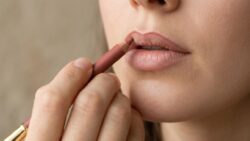
“K-beauty is growing into complete skin-health ecosystems rather than just facial skincare.” Follicle-focused treatments microbiome-supporting shampoos, and scalp serums are becoming commonplace due to the skinification of haircare. A holistic approach to beauty that links lifestyle internal health, skin, and hair is becoming more popular.
 Like an ice cream manicure with a twist, Charlize Theron's lemon sorbet nails are ideal for spring