
Push-Up Modifications That Build Upper Body Strength
If traditional push-ups feel too difficult, there are smarter ways to build strength without dropping to your knees. One effective method is using elevated surfaces such as a bench or sturdy table. This adjustment reduces the weight your arms must support while keeping your body aligned. It allows beginners to practice a proper push-up position while developing upper body strength. Over time, lowering the height gradually increases the challenge. This method also encourages better core muscle control and improves overall exercise progression. By training this way, you develop the same muscles used in a standard push-up while maintaining safer, more effective movement patterns.
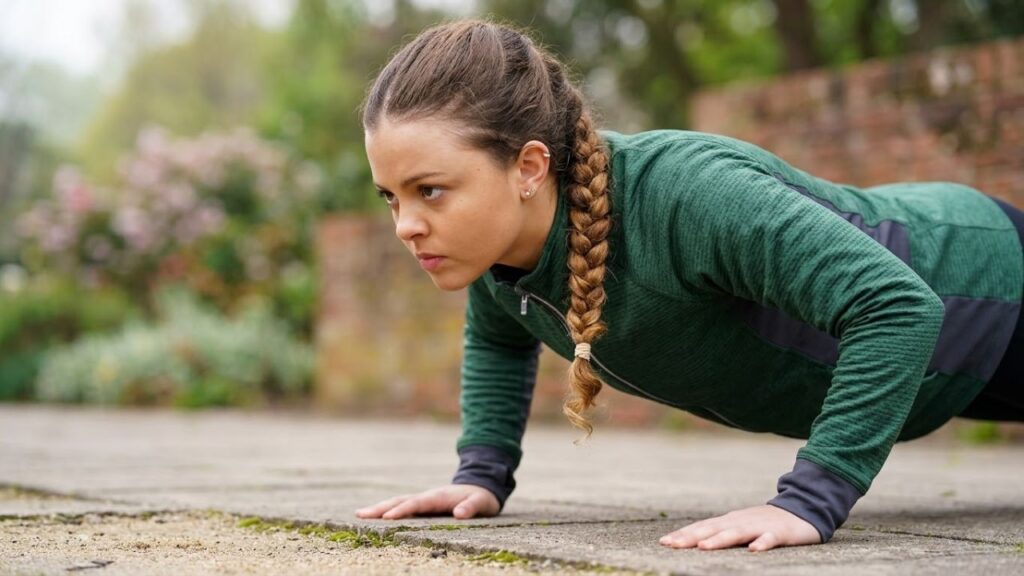
Incline Push-Ups: A Better Alternative for Beginners
Incline push-ups are one of the most recommended beginner-friendly modifications because they closely mimic the mechanics of a full push-up. By placing your hands on a raised platform such as a bench or wall, you reduce the load while still activating important muscle groups. This variation improves shoulder joint stability and encourages proper body alignment practice. It also helps develop chest muscle activation while maintaining controlled movement. As your strength improves, lowering the incline gradually prepares you for floor push-ups. Fitness trainers often use this technique as part of a structured strength training routine because it builds confidence and prevents unnecessary strain.

Negative Push-Ups for Faster Strength Progress
Negative push-ups are another powerful modification for anyone struggling with standard push-ups. Instead of pushing your body up, you focus on slowly lowering yourself to the ground in a controlled motion. This method targets the muscles during the lowering phase, which is excellent for developing muscle control technique. Practicing slow descents also improves arm endurance building and strengthens the chest and shoulders effectively. Over time, these controlled movements enhance functional fitness growth and lead to noticeable strength improvement rate. Many trainers suggest combining negative push-ups with incline push-ups to create a balanced routine.
Why These Push-Up Modifications Actually Work
The reason these modifications work so well is that they focus on gradual strength development rather than shortcuts. Knee push-ups reduce resistance but also change the movement pattern, which may slow progress toward a full push-up. In contrast, incline and negative push-ups maintain the correct mechanics while reducing difficulty. This allows beginners to develop progressive strength building and maintain proper workout technique. Over time, these exercises improve muscle coordination ability and support better full push-up readiness. With consistency and patience, most people can transition from modified exercises to standard push-ups within a few weeks.
| Push-Up Variation | Difficulty Level | Main Muscles Targeted | Best For |
|---|---|---|---|
| Wall Push-Up | Very Easy | Chest, Shoulders | Absolute Beginners |
| Incline Push-Up | Easy | Chest, Arms, Core | Beginner Strength Building |
| Negative Push-Up | Moderate | Chest, Shoulders, Triceps | Strength Progression |
| Standard Push-Up | Challenging | Chest, Core, Arms | Full Body Strength |
| Decline Push-Up | Advanced | Upper Chest, Shoulders | Advanced Training |
Frequently Asked Questions (FAQs)
1. Why are knee push-ups less effective?
Knee push-ups change body mechanics and may not build the same strength needed for full push-ups.

2. How often should beginners practice push-up modifications?
Most beginners benefit from practicing modified push-ups two to three times per week.
3. How long does it take to learn a full push-up?
With consistent training, many people can achieve a full push-up within 4–8 weeks.

4. Which modification is best for beginners?
Incline push-ups are usually the best starting point because they maintain proper form while reducing difficulty.