
Core strength becomes one of the most important investments you can make in your body after the age of 55. Many people want to move better, stay balanced, and maintain independence as they age. A strong core plays a central role in all of these goals. Trainers often see older adults who want to feel steadier on their feet and improve their overall performance during workouts.

The reality is that the body naturally loses muscle mass over time because of sarcopenia. This process can affect balance, bone density, and metabolic health. For women, menopause-related hormonal changes can make maintaining strength even more challenging. Many people also begin dealing with arthritis discomfort, slower reaction time, and a higher risk of falls compared to their younger years.
Because of these factors, strengthening the core becomes more than just a fitness goal—it becomes a key part of maintaining long-term mobility and stability.
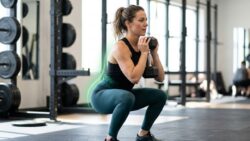
Why Planks Are Not Always the Best Starting Point
The plank is often recommended as a go-to core exercise, but it is not always the best place to start for beginners, especially those over 55. Holding a plank with proper form requires adequate upper body strength, a strong base of core stability, and the ability to coordinate the entire body in a static isometric hold.
For many individuals who are new to exercise, jumping straight into planks can feel overwhelming. The challenge is not a lack of effort—it is the absence of a solid foundation. Building that base gradually allows the body to adapt safely and effectively.
Instead of forcing the plank too early, it is often better to begin with exercises that develop the strength, coordination, and control required for it.
Three Core Exercises That Build the Right Foundation
A well-designed core circuit can help develop the exact strength needed to eventually perform planks correctly. These exercises train stability, coordination, and muscle control while remaining accessible for beginners.
High Knees with Overhead Dumbbell Hold is a powerful exercise that trains core stabilization while strengthening the shoulders and improving balance.
How to perform the movement:
• Hold a light to medium dumbbell in one hand
• Stand upright with your posture tall and steady
• Raise the dumbbell overhead if comfortable
• Extend your opposite arm outward to assist with balance
• Slowly lift one knee at a time while marching in place
• Complete 20 controlled repetitions before switching arms
Bird Dogs are another effective exercise that develops cross-body coordination and improves spinal stability.
How to perform the movement:
• Begin in a tabletop position on your hands and knees
• Extend your right leg straight behind you
• At the same time extend your left arm forward
• Hold the position briefly while keeping the spine neutral
• Switch sides and repeat
 ’90s Bob Haircut Returns for Spring With a Modern Update Creating Fresh Volume and Soft Movement
Hollow Hold is a more challenging exercise that activates the deep core muscles and helps train the body to prevent the lower back from arching.
How to perform the movement:
• Lie flat on your back on a mat
• Press your lower back firmly into the floor
• Lift your head and feet slightly off the ground
• Reach your fingertips toward your feet
• Maintain the position while keeping the core fully engaged
These movements together create a balanced routine that strengthens the entire core system.
How to Add This Core Circuit to Your Weekly Routine
If you are beginning your fitness journey, this circuit can be added to the end of your workout routine once or twice per week. Perform the three exercises back to back and repeat the full sequence three times.
Listening to your body is essential. If something feels uncomfortable or painful, adjust the movement or consult a healthcare professional. Consistency and proper form will always be more important than pushing too hard too quickly.
Results You May Notice Within 4–6 Weeks
Progress takes time, but with regular practice many people begin to notice improvements within four to six weeks. While these exercises alone will not create dramatic aesthetic changes overnight, they can deliver meaningful functional benefits.
Common improvements include:
Stronger shoulder stability
Improved hip flexor strength
Better balance and coordination
Enhanced core stability
Greater ease during daily activities

With consistent effort, these exercises can also help individuals move closer to successfully holding a full plank.

Core Exercise Circuit Overview
| Exercise | Main Muscles Targeted | Recommended Duration/Reps | Key Benefit |
|---|---|---|---|
| High Knees with Overhead Dumbbell Hold | Shoulders, Core Stabilizers, Hip Flexors | 20 reps per arm | Improves balance and core stability |
| Bird Dogs | Glutes, Lower Back, Core | Up to 30 seconds per side | Builds spinal stability and coordination |
| Hollow Hold | Deep Core Muscles, Lower Abs | Up to 30 seconds hold | Strengthens deep abdominal control |
| Full Circuit | Entire Core System | 3 rounds total | Builds foundation for plank strength |